

Minca & The Lost City
The jungle of the Sierra Navada is Magical and incredible. Where you are experiencing God's creation.

Minca
Tucked into the lush folds of the Sierra Nevada mountains, just a breath away from the Caribbean coast, lies the tranquil village of Minca. A hidden gem where time slows, the air is pure, and life is rooted in sustainability. Here, you’ll find local treasures—organic, eco-friendly, and genuinely handcrafted. From fresh mountain coffee to artisanal goods, everything in Minca carries the soul of the land and the hands that shape it.
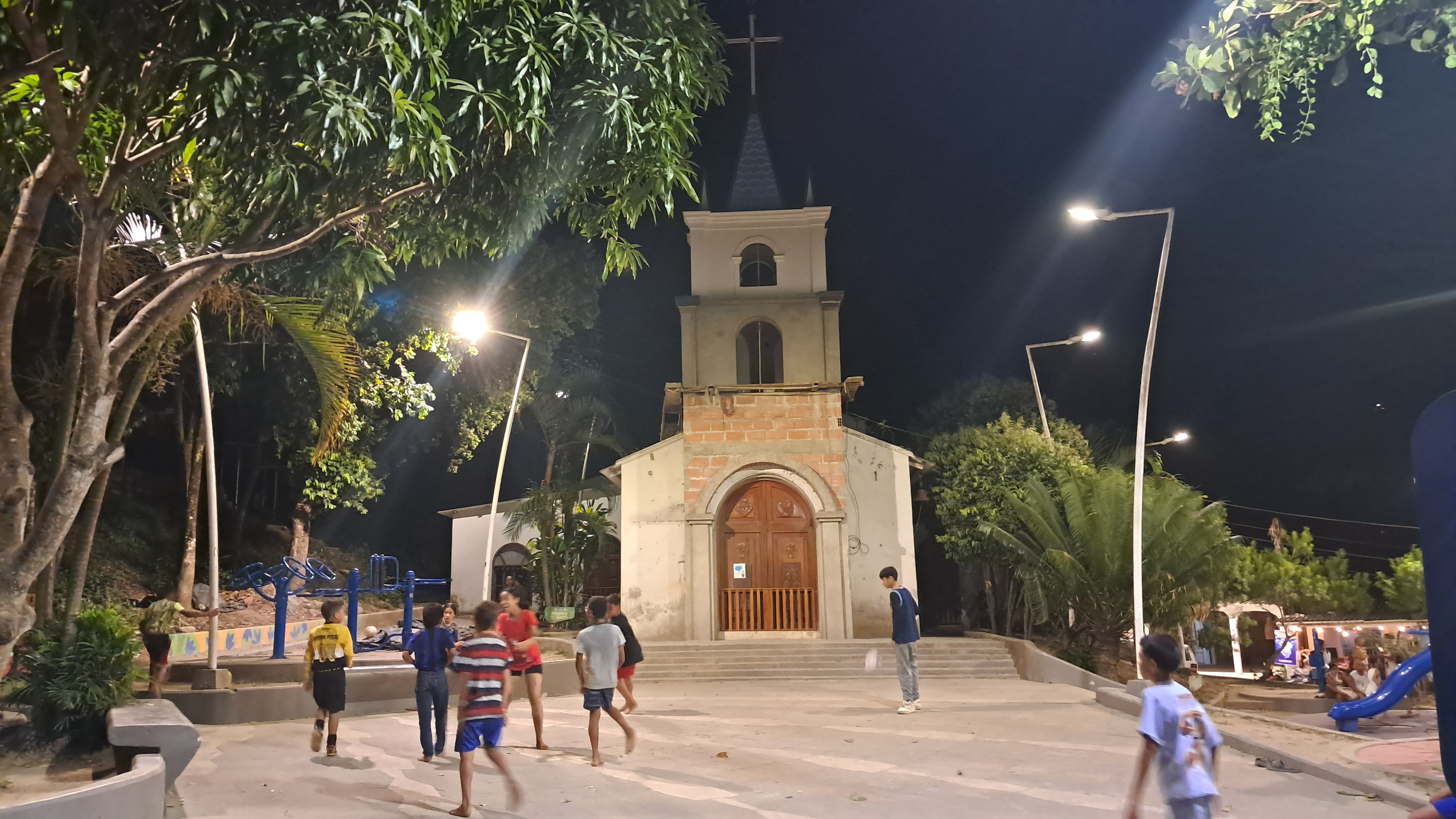
It’s a beautiful sight—children playing football barefoot, laughter echoing through the air as they lose themselves in the pure joy of the game. No screens, no shoes, just shared moments and wide smiles under the open sky. It’s a reminder of how happiness often lives in the simplest things.
Though briefly on the tourist trail, it remains part of a deeper spiritual journey, where nature guides the way - A journey of self discovery.
“Camarón que se duerme se lo lleva la corriente.”
(The shrimp that falls asleep gets carried away by the current.)
As travelers, we come to realise that life isn’t a competition or a finish line—it’s a path unfolding beneath our feet…
In life, we often chase goals, deadlines, and destinations. But sometimes, it’s when we finally slow down and let go of the race that we truly arrive. Bringing nature into the mix deepens our experience, and we become grounded in the moment. That’s when we truly begin to comprehend the journey… You may not even realise how far you have already come, until you have had time to reflect on it. You may like to Read: Live in curiosity
When the Lost City Became an Adventure
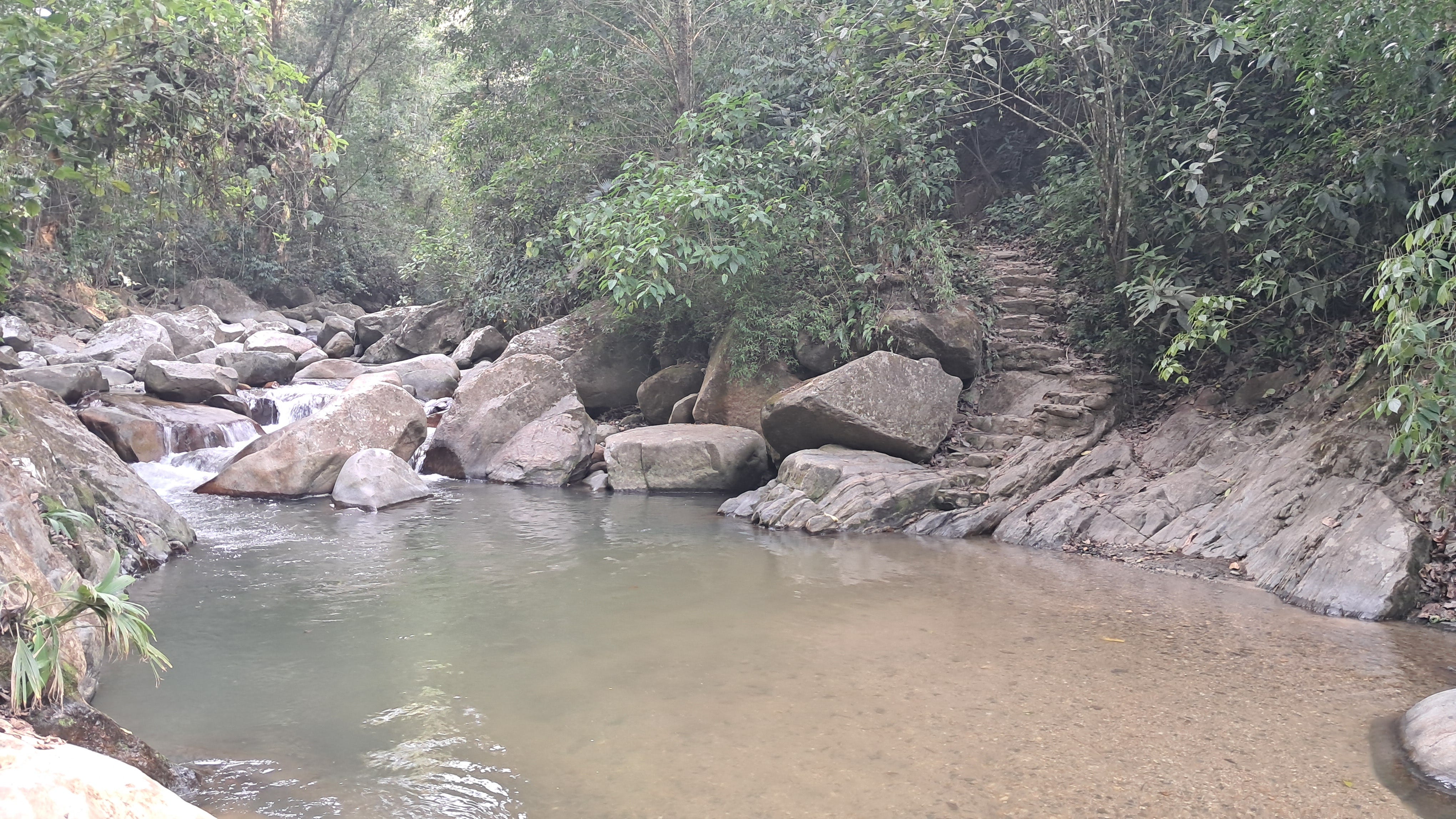
Before the Lost City (Ciudad Perdida) became a bucket-list trek, the journey there was anything but easy. The trail took eight intense days through the dense Colombian jungle, with travelers carrying all their own camping gear and food. Guided by locals who knew the terrain intimately, it was a raw, immersive experience—days spent crossing rivers, climbing steep mountain paths, and cutting through thick vegetation.
While it’s hard to pinpoint the very first person to lead guided tours, a local guide named Walter is often mentioned as one of the earliest. According to Magic Tour Colombia, he was among the first to help restore the site and bring travelers safely through the jungle. The city itself was rediscovered in 1972 by a group of local treasure hunters known as Los Sepúlvedas, who stumbled upon its moss-covered stone terraces and staircases deep in the Sierra Nevada.
Back then, visiting Ciudad Perdida wasn’t just a trek—it was an expedition into mystery and history, led by those who had lived closest to it for generations.
The Lost City Trek: The Cherry on the Cake of My Colombian Adventure
When I set out to explore Colombia, I had no idea that the pinnacle of my adventure would be the challenging yet rewarding trek to the Ciudad Perdida – the Lost City. Booked last minute and with minimal preparation, this hike turned out to be the ultimate highlight of my travels.
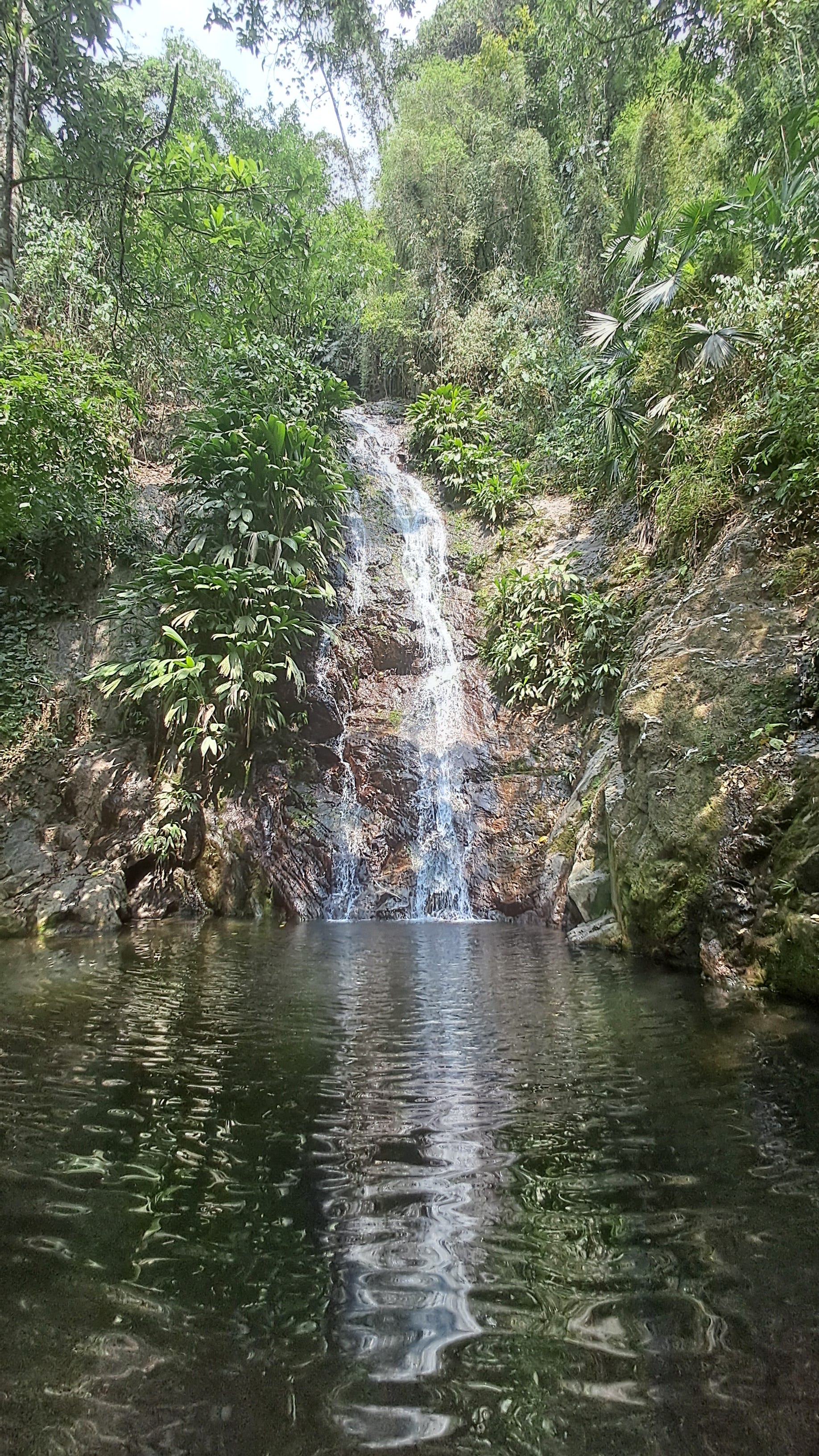
I decided to book the trek on a whim, with very little time to prepare. I didn't even have the chance to buy gear the night before, leaving me to scramble for last-minute essentials. The only practice hike I could squeeze in was a one-day trek from Minca to the nearby waterfalls, the day before the 4-day hike. Which gave me a taste of what was to come. But nothing could have fully prepared me for the rigors and beauty of the Lost City hike.
Booked with Magic Tours.
The Lost City
The Teyuna people, of Ciudad Perdida ‘Lost City’, have a deep spiritual connection to the Sierra Nevada de Santa Marta mountains.
As we hike to the Lost City, pushing our limits for the thrill of the challenge, it's worth remembering that for many Colombians, the real challenge is far more enduring—putting food on the table each day. What we choose as an adventure, others live as reality. Travel not only opens landscapes but also eyes and hearts.
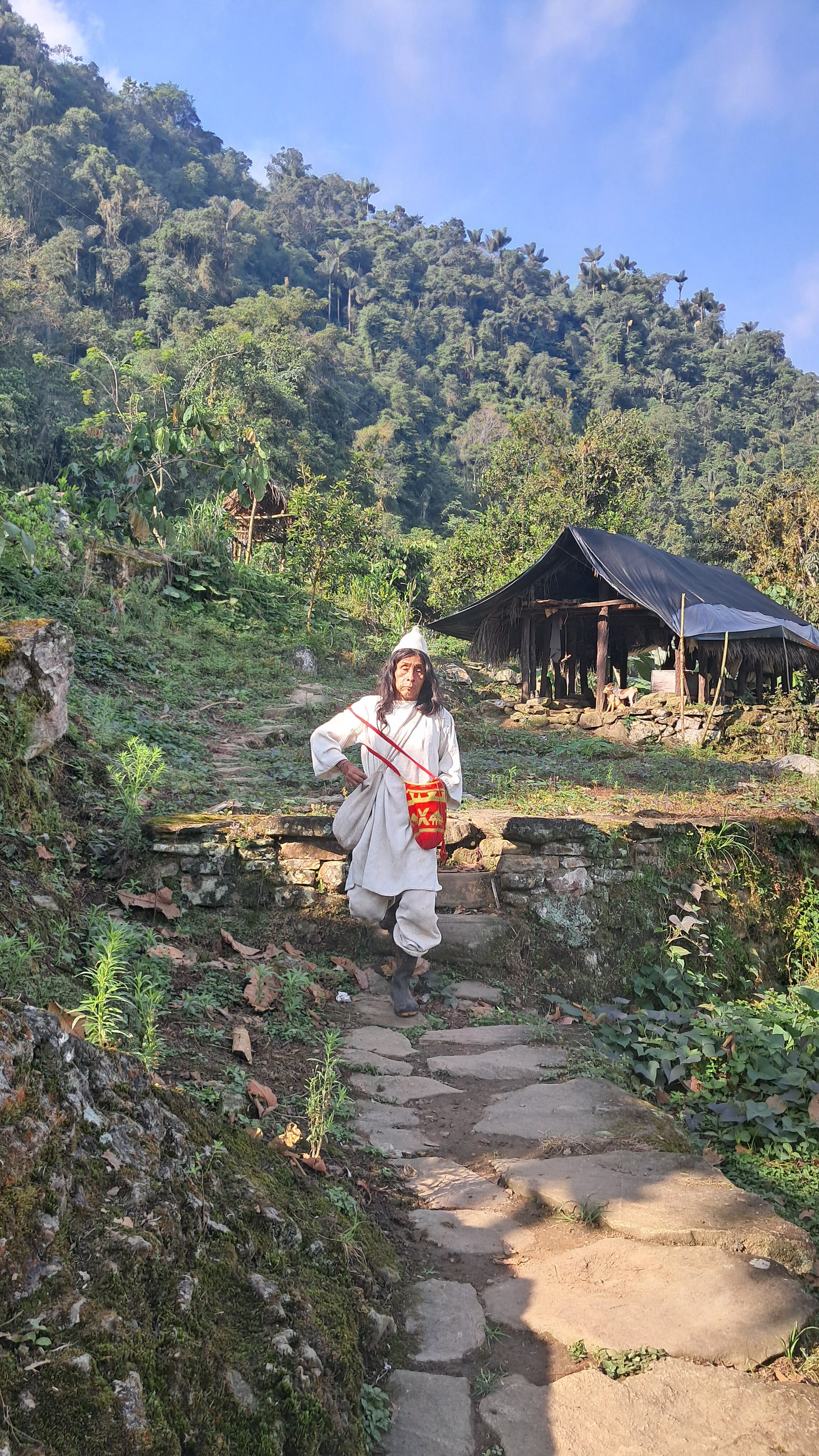
They honor and respect the mountains, viewing them as sacred. As the spiritual caretakers of this land, they maintain a profound responsibility to protect and preserve its harmony, continuing to uphold this sacred bond through generations.
This region was once a major hub for cocaine production and the center of ongoing conflict. In an effort to curb the drug trade, those in power blanketed vast coca plantations with toxic herbicides sprayed from above. Unfortunately, the environmental toll has been devastating—nothing grows in the areas where these chemicals were applied. The land remains scarred, a bleak reminder of the war on drugs.
The future here feels a little uncertain. We saw fires burning in the distance and land being cleared for mules and cattle—but no one could give us a clear answer about the smoke. As long as traditional methods and long-held principles guide the work—rather than industrial shortcuts—there’s still hope. Harmony with the land means fewer landslides, and fewer landslides means protecting the rivers that breathe life into this place.
“Tourism gives them the chance to buy back land from farmers and breathe new life into their indigenous communities.” - Positive impact.
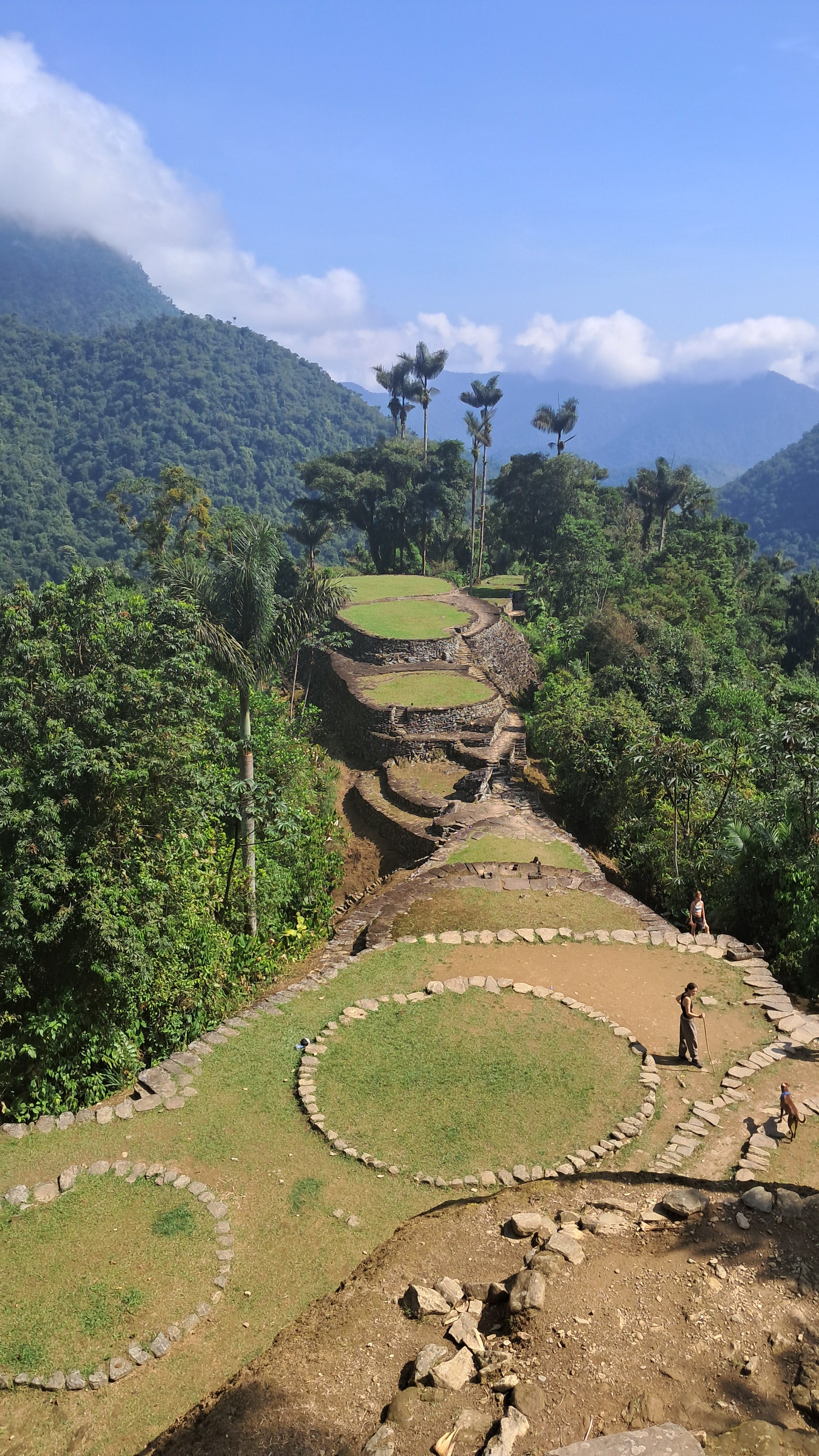
Just like Machu Pichu, the Lost City does not disappoint, I don't know how many times I kept admiring it.
Interesting Info:
The Lost City (Ciudad Perdida), is perched at around 1,200 meters above sea level—the highest point reached during the multi-day jungle hike.
Nestled just 42 kilometers (26 miles) from Colombia’s Caribbean coast, the Sierra Nevada de Santa Marta rises dramatically from sea level to its twin snow-capped peaks—Pico Simón Bolívar and Pico Cristóbal Colón—both soaring to 5,710 meters, the highest points in the country.
The Tairona people designed their homes with two peaked roofs, symbolizing the two highest mountain summits in their region. This architectural feature reflected not only their deep connection to the land but also their reverence for the sacred peaks that shaped their cultural and spiritual identity.
Hiking for four days is a part of our life journey, full of experiences on each step towards the Lost City. It’s a tough hike at times, reminding us that challenges are temporary and encouraging us to appreciate the nature around us.
The positive energy from within the group and the guides transforms it into an epic journey.
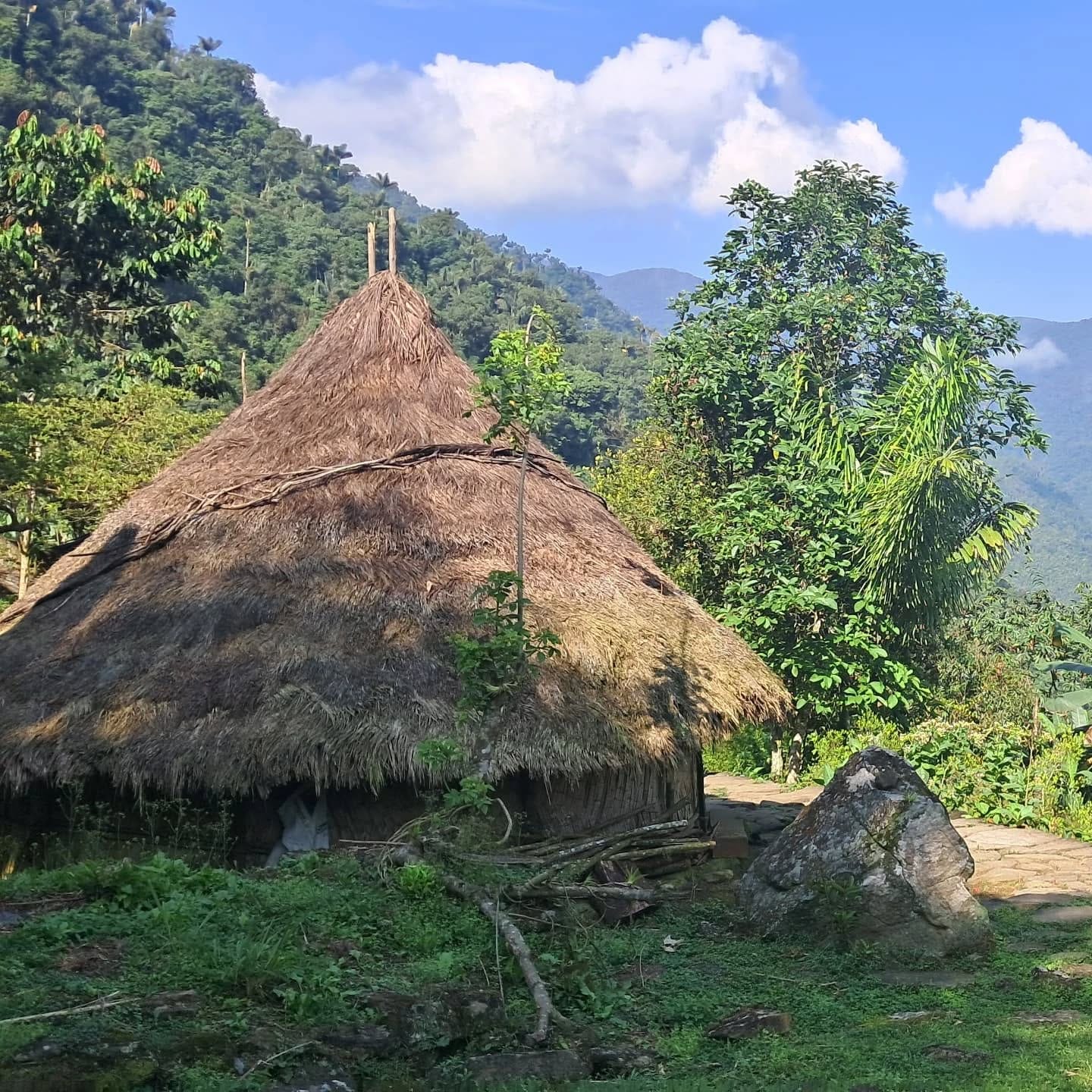
Although we didn’t spot many wild animals along the trail to the lost city, we did pass through several farms. Along the way, we saw pigs, chickens, and mules, playing their part in moving produce and hauling away rubbish. As we entered the Indigenous protective area, the landscape shifted, and livestock became more prominent. The people here live almost entirely off the land, relying on their animals and crops for sustenance.
The Indigenous communities here continue to live a nomadic lifestyle, relocating from one village to another every three months—a tradition that beautifully reflects their deep connection to the land.
Musical instruments in the Colombian region of Santa Marta are often handcrafted from natural materials, reflecting the country's rich cultural heritage. Over time, these instruments evolved through cultural exchanges, particularly with African influences, and became integral to Colombia’s vibrant folk music tradition. Their unique sounds are now a defining element of the country’s musical identity, celebrating both indigenous and African roots in a harmonious blend of craftsmanship and culture.
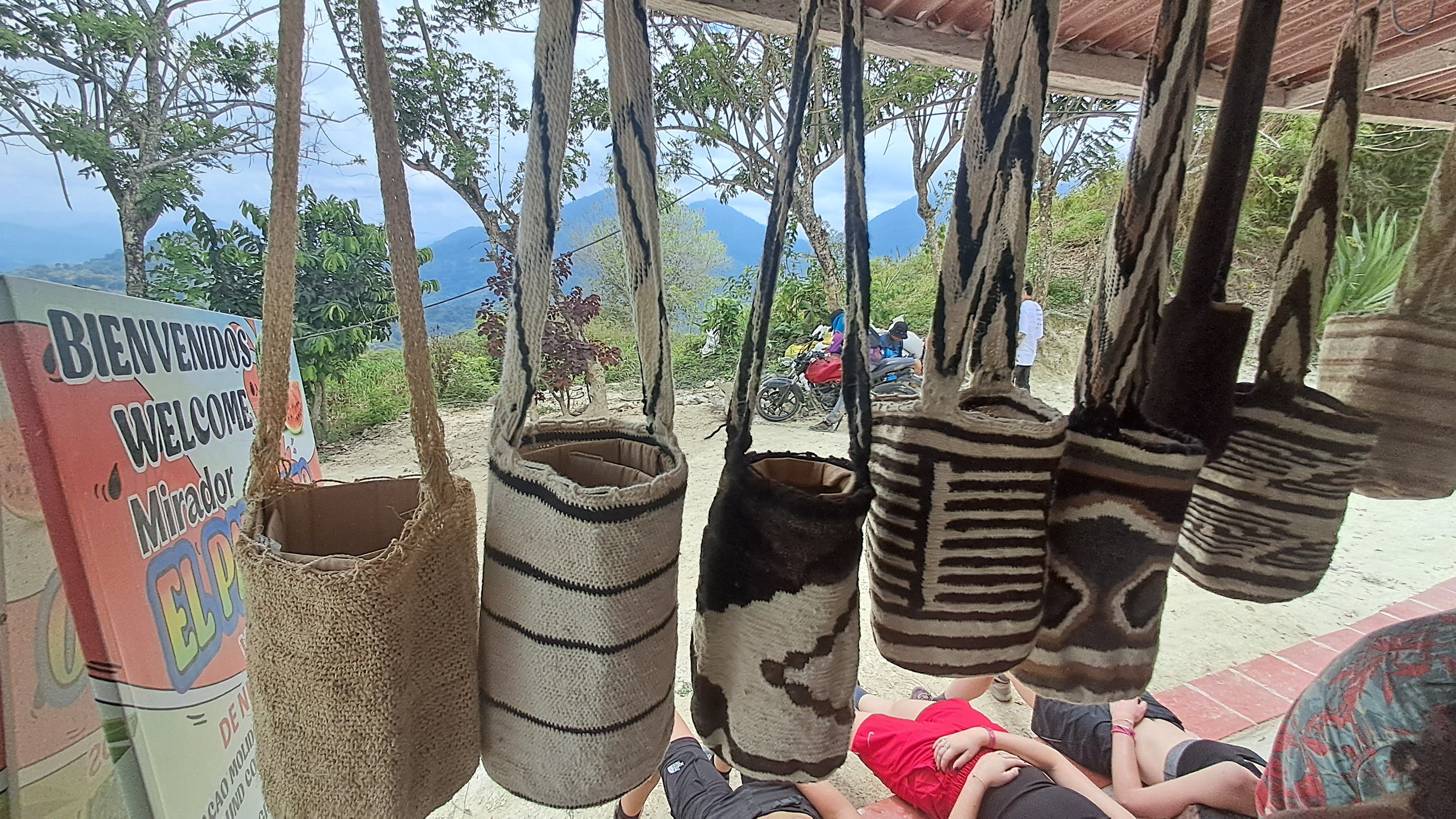
“Take photos, leave foot prints, give hugs and steal a kiss.” - Tread lightly or you will be weighed down.
My final thoughts: It is important not to offer sweets to the Teyuna people, but rather something you have crafted with your own hands. This gesture will hold greater value for them. The Europeans brought disease to these communities; let us learn from history and approach with respect and mindfulness.
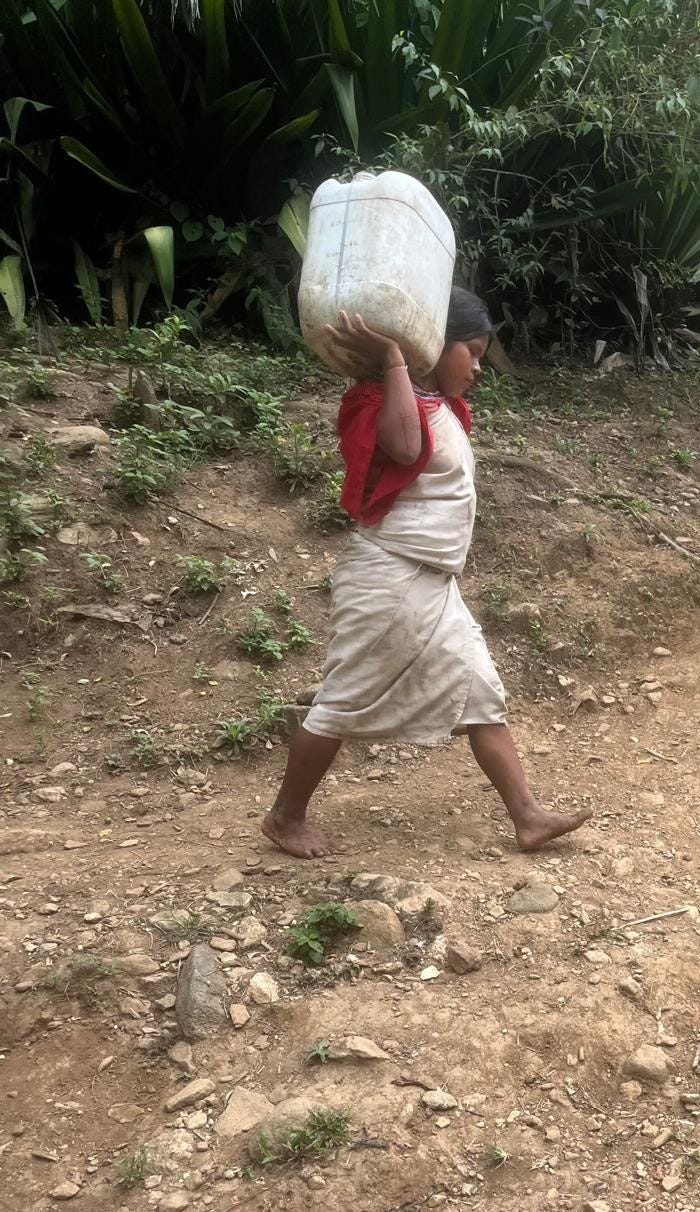
They are strong, healthy people who grow up walking barefoot and live with few Western conveniences. We can learn so much from them. They invest effort into their way of life—like how it takes eight days to make a mochila. For them, it's not about cost; it's about making use of what they have. This stands in stark contrast to the Western world, where wealth is often built on the ability how easy it is to borrow money, and not the value of working with your hands. Instead of creating solutions to problems that don't exist—just to turn a profit—is not innovation; it's greed. It disregards the wisdom of traditional ways that carry deep meaning and nurture, our connection to the Earth and to one another.
“Whatever you speed up, brakes!” - The cost of convenience.
After this journey, we've come to realise the importance of reducing our use of plastics. Immersing ourselves in nature has inspired us to seek out sustainable alternatives and make more mindful choices moving forward.
A magical and unforgettable four-day hike—each step filled with breathtaking views, laughter, and connection. But the hardest part; Saying goodbye when we returned to the start.
If I could do it all over again, I’d camp overnight at the Lost City—just to wake up with the sun rising over the ruins, lighting up the jungle like fire. That’s the kind of moment you chase halfway across the world.
Reflect on how the hike was for you?